PHCC sets national benchmark with 29 health centers GSAS-certified for operational sustainability
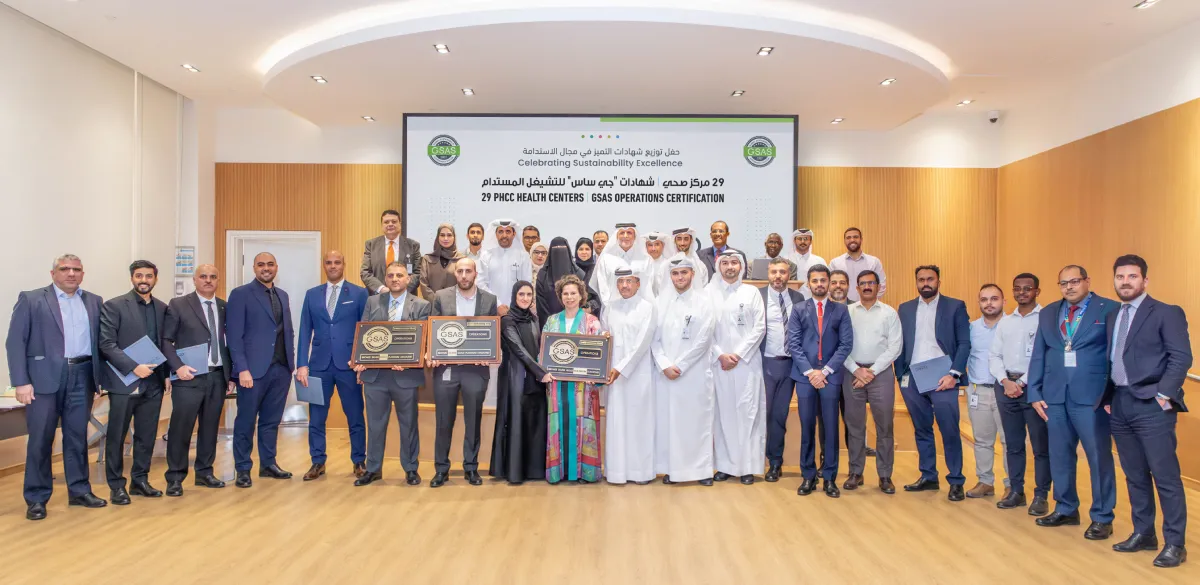
PHCC has become Qatar’s first government entity to complete the second cycle of GSAS Operations with the recertification of 29 health centers under the Global Sustainability Assessment System (GSAS).
Twenty-nine health centers operated by Qatar’s Primary Health Care Corporation (PHCC) have been awarded the Global Sustainability Assessment System (GSAS) Operations certifications. The certifications were conferred by the Gulf Organisation for Research & Development (GORD), with several facilities achieving high-performance ratings, including Platinum and Gold, reflecting excellence in operational sustainability, resource efficiency, and indoor environmental quality. Notably, this achievement distinguishes PHCC as the first government entity in Qatar to renew its GSAS-OP certifications for a second cycle, a process required every four years to maintain compliance.
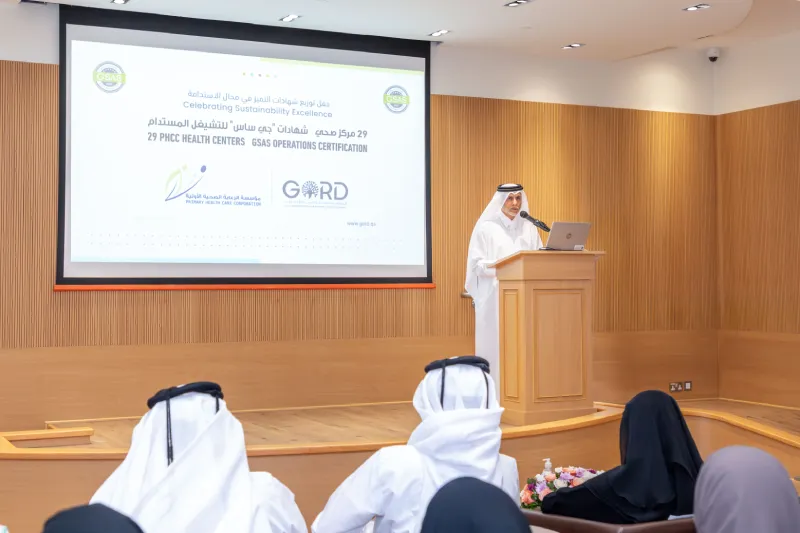
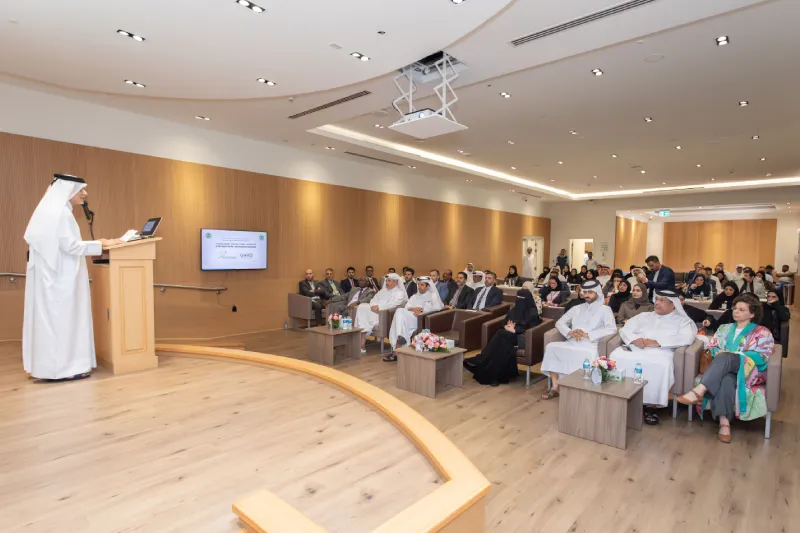
In a ceremony held at Al Sadd Health Center, in the presence of H.E. Dr. Mariam Ali Abdulmalik, Managing Director of the Primary Health Care Corporation, Dr. Yousef Alhorr, Founding Chairman of GORD, presented the certificates and commemorative plaques to Mr. Musallam Mubarak Al Nabit, Assistant Managing Director of Administration and Corporate Services at PHCC, along with senior representatives and directors of the certified health centers. The ceremony recognized PHCC’s continued commitment to sustainable operations and high-performance healthcare environments.
Healthcare Environmental Quality
Dr. Yousef Alhorr, Founding Chairman of GORD, said: “The achievement of the Primary Health Care Corporation’s health centers in obtaining the Global Sustainability Assessment System (GSAS) Operations certifications for the second consecutive time represents a distinguished environmental and institutional milestone. It reflects a forward-looking leadership vision and a firm commitment to making sustainability an integral part of Qatar’s healthcare system. This achievement also reaffirms PHCC’s alignment with Qatar National Vision, the Qatar National Environment and Climate Change Strategy, and the Sustainable Development Goals, through enhancing operational efficiency, optimizing resource consumption, and improving indoor environmental quality, thereby contributing to healthier, safer, and more sustainable environments for patients, visitors, and staff.”
High-Performance Healthcare Through Sustainable Operations
Mr. Musallam Mubarak Al Nabit, Assistant Managing Director of Administration & Corporate Services at PHCC, said: “The certification of 29 health centers under GSAS represents an important milestone in the organization’s commitment to delivering sustainable healthcare. In collaboration with GORD and through the implementation of the GSAS framework, we have strengthened our approach to operational efficiency, resource management, and environmental responsibility. This achievement reflects the dedication of our teams and our alignment with Qatar National Vision 2030 in advancing sustainability and creating high-performance healthcare environments. We reaffirm our commitment to building upon this partnership, enhancing our facilities, and continuing to provide patient-centered care within safe, efficient, and sustainable environments for the communities we serve.”
Technical Audits
During the certification process, more than 90 technical audits were conducted for indoor environment’s onsite measurements across the 29 facilities. These included Abu Baker Health Center, Abu Nakhla Health Center, Airport Health Center, Al Daayen Health Center, Al Jumailiya Health Center, Al Kaaban Health Center, Al Karaana Health Center, Al Khor Health Center, Al Mashaf Health Center, Al Rayyan Health Center, Al Ruwais Health Center, Al Sadd Health Center, Al Sheehaniya Health Center, Al Thumama Health Center, Al Waab Health Center, Al Wajbah Health Center, Al Wakra Health Center, Gharrafat Al Rayyan Health Center, Leabaib Health Center, Leghwairiya Health Center, Mesaimeer Health Center, Muaither Health Center, Omar Bin Al Khattab Health Center, Qatar University Health Center, Rawdat Al Khail Health Center, South Wakra Health Center, Umm Al Seneem Health Center, Umm Slal Health Center, and West Bay Health Center. Notably, many of these facilities were earlier certified under the GSAS Design & Build Healthcare Scheme which evaluates the sustainability of newly constructed and majorly renovated buildings.
Carbon Footprint Reduction
GSAS Operations certification provides a data-driven roadmap for reducing the carbon footprint of existing buildings while enhancing the indoor environment for building occupants. Its performance-based framework evaluates buildings during their operational phase, focusing on key parameters such as energy consumption, water efficiency, indoor environmental quality, waste management, and facility management practices. The assessment process involves comprehensive audits conducted by GORD’s sustainability experts at GSAS Trust, including on-site inspections, data analysis, and performance benchmarking against established GSAS criteria.
Across the certified PHCC facilities, a combination of passive and active design and operational strategies contributed to the high ratings achieved. These include optimized building envelopes with reduced glazing, shading devices to limit solar heat gain, and the integration of daylighting strategies to reduce reliance on artificial lighting.
Mechanical Systems’ Performance Assessment
Mechanical systems such as packaged air conditioning units, variable refrigerant flow systems, and DX air handling units have been evaluated for operational efficiency, while several centers incorporate hybrid domestic hot water systems combining solar and electric technologies.
In addition to energy and water performance, the certification places a strong emphasis on indoor environmental quality, particularly in healthcare settings where occupant wellbeing is critical. Parameters such as thermal comfort, ventilation effectiveness, air quality, lighting levels, acoustics, and visual comfort were assessed to ensure alignment with best practices for patient care environments. Enhanced ventilation and air quality management systems are particularly relevant in mitigating the spread of airborne infections, reinforcing the role of sustainable operations in supporting public health outcomes.
The certification process also led to detailed audit reports for each facility, outlining opportunities for further optimization, including upgrades to legacy systems, improved operational controls, and potential energy savings. These recommendations provide PHCC with a structured roadmap for continuous improvement in sustainability performance across its portfolio. To ensure continued compliance, the GSAS Operations certification is valid for four years, after which new audits should be conducted to verify that the health centers continue to operate sustainably and maintain the rigorous technical benchmarks required for recertification.
مؤسسة الرعاية الصحية الأولية تضع معيارًا وطنيًا جديدًا، حصول 29 مركزًا صحيًا على شهادة جي ساس GSAS للتشغيل المستدام
– مؤسسة الرعاية الصحية الأولية وجورد عملوا على تعزيز الاستدامة وكفاءة التشغيل بالمراكز الصحية.
– د. يوسف الحُرّ: رفاه المريض يبدأ من جودة البيئة التي تُقدَّم فيها الرعاية الصحية.
– مسلم النابت: اعتماد 29 مركزًا صحيًا يعكس التزامنا برعاية مستدامة وبيئات صحية عالية الأداء.
– مؤسسة الرعاية الصحيـة الأولية أول جهة حكومية في قطر تُكمل الدورة الثانية لاعتماد شهادات جي ساس.
أصبحت مؤسسة الرعاية الصحية الأولية أول جهة حكومية في دولة قطر تُكمل الدورة الثانية من اعتماد شهادة جي ساس للتشغيل المستدام ، وذلك من خلال إعادة اعتماد 29 مركزًا صحيًا تابعًا لها ضمن المنظومة العالمية لتقييم الاستدامة “جي ساس" في فئة التشغيل.
وقد منحت المنظمة الخليجية للبحث والتطوير “جورد" الشهادات لـ29 مركزًا صحيًا، حيث حققت عدة مرافق تصنيفات أداء مرتفعة شملت البلاتيني والذهبي، بما يعكس التميز في الاستدامة التشغيلية، وكفاءة استخدام الموارد، وجودة البيئة الداخلية. ويُعد هذا الإنجاز محطة مهمة للمؤسسة باعتبارها أول جهة حكومية في قطر تقوم بتجديد شهادات جي ساس للتشغيل المستدام للدورة الثانية، وهي عملية مطلوبة كل أربع سنوات للحفاظ على الامتثال للمعايير المعتمدة.
وخلال حفل أُقيم في مركز السد الصحي، بحضور سعادة الدكتورة مريم علي عبدالملك، المدير العام لمؤسسة الرعاية الصحية الأولية، قام الدكتور يوسف الحُرّ، مؤسس ورئيس مجلس إدارة المنظمة الخليجية للبحث والتطوير، بتسليم الشهادات والدروع التذكارية إلى السيد مسلم مبارك النابت، مساعد المدير العام للشؤون الإدارية والخدمات المشتركة في مؤسسة الرعاية الصحية الأولية، إلى جانب عدد من كبار المسؤولين ومديري المراكز التي حصلت على التصنيف، تقديرًا لالتزام المؤسسة المستمر بالتشغيل المستدام وتهيئة بيئات رعاية صحية عالية الأداء.
“جودة البيئة الصحية"
وقال الدكتور يوسف الحُرّ، مؤسس ورئيس مجلس إدارة المنظمة الخليجية للبحث والتطوير:
يُجسد حصول مراكز مؤسسة الرعاية الصحية الأولية على شهادات التشغيل المستدام من المنظومة العالمية لتقييم الاستدامة “جي ساس" للمرة الثانية على التوالي إنجازاً بيئياً ومؤسسياً متميزاً، يعكس رؤية قيادية واعية والتزاماً راسخاً بجعل الاستدامة جزءاً أصيلاً من منظومة الرعاية الصحية في دولة قطر. كما يؤكد هذا الإنجاز مواءمة جهود المؤسسة مع رؤية قطر الوطنية، واستراتيجية قطر الوطنية للبيئة والتغير المناخي، وأهداف التنمية المستدامة، من خلال تعزيز كفاءة تشغيل المرافق، وترشيد استهلاك الموارد، والارتقاء بجودة البيئة الداخلية، بما يسهم في توفير بيئات صحية وآمنة ومستدامة للمرضى والمراجعين والعاملين."
“رعاية عالية الاداء مع تشغيل مستدام للمراكز الصحية “
من جانبه، قال السيد مسلم مبارك النابت، مساعد المدير العام للشؤون الإدارية والخدمات المشتركة:
يمثل حصول 29 مركزًا صحيًا على شهادة جي ساس محطة مهمة في التزام المؤسسة بتقديم رعاية صحية مستدامة. وبالتعاون مع جورد ومن خلال تطبيق معايير جي ساس، عززنا نهجنا في الكفاءة التشغيلية، وإدارة الموارد، والمسؤولية البيئية. ويعكس هذا الإنجاز تفاني فرق العمل وتوافقنا مع رؤية قطر الوطنية 2030 في تعزيز الاستدامة وتهيئة بيئات رعاية صحية عالية الأداء. ونؤكد التزامنا بمواصلة البناء على هذه الشراكة، وتعزيز مرافقنا، والاستمرار في تقديم رعاية تتمحور حول المريض ضمن بيئات آمنة وفعّالة ومستدامة لخدمة المجتمعات التي نخدمها.
“عمليات التدقيق الفني"
وخلال عملية الاعتماد، تم تنفيذ أكثر من 90 عملية تدقيق فني تضمنت قياسات ميدانية لجودة البيئة الداخلية داخل 29 مرفقًا صحيًا. وشملت هذه المراكز: مركز أبوبكر الصحي، مركز أبو نخلة الصحي، مركز المطار الصحي، مركز الظعاين الصحي، مركز الجميلية الصحي، مركز الكعبان الصحي، مركز الكرعانة الصحي، مركز الخور الصحي، مركز المشاف الصحي، مركز الريان الصحي، مركز الرويس الصحي، مركز السد الصحي، مركز الشحانية الصحي، مركز الثمامة الصحي، مركز الوعب الصحي، مركز الوجبة الصحي، مركز الوكرة الصحي، مركز غرافة الريان الصحي، مركز لعبيب الصحي، مركز لغويرية الصحي، مركز مسيمير الصحي، مركز معيذر الصحي، مركز عمر بن الخطاب الصحي، مركز جامعة قطر الصحي، مركز روضة الخيل الصحي، مركز جنوب الوكرة الصحي، مركز أم السنيم الصحي، مركز أم صلال الصحي، ومركز الخليج الغربي الصحي.
وتجدر الإشارة إلى أن العديد من هذه المرافق كانت قد حصلت سابقًا على اعتماد المنظمة الخليجية للبحث والتطوير وشهادات المنظومة العالمية لتقييم الاستدامة الخاصة بتقييم استدامة المباني الجديدة أو التي خضعت لتجديدات كبرى.
“خفض البصمة الكربونية"
ويوفر اعتماد جي ساس للتشغيل المستدام خارطة طريق قائمة على البيانات لخفض البصمة الكربونية للمباني القائمة، مع تعزيز جودة البيئة الداخلية لشاغلي المبنى. ويُقيِّم إطار الأداء المبني على النتائج المباني خلال مرحلة التشغيل، مع التركيز على مؤشرات رئيسية تشمل استهلاك الطاقة، وكفاءة المياه، وجودة البيئة الداخلية، وإدارة النفايات، وممارسات إدارة المرافق.
كما تتضمن عملية التقييم عمليات تدقيق شاملة ينفذها خبراء الاستدامة لدى المنظمة الخليجية للبحث والتطوير ، وتشمل الزيارات الميدانية، وتحليل البيانات، ومقارنة الأداء بالمعايير المعتمدة.
وعبر مرافق مؤسسة الرعاية الصحية الأولية المعتمدة، أسهمت مجموعة من الاستراتيجيات التصميمية والتشغيلية السلبية والنشطة في تحقيق التصنيفات المرتفعة. وتشمل هذه الاستراتيجيات تحسين أغلفة المباني، ، واستخدام عناصر التظليل للحد من اكتساب الحرارة الشمسية، وتطبيق حلول الإضاءة الطبيعية لتقليل الاعتماد على الإضاءة الاصطناعية.
“تقييم الأنظمة الميكانيكية"
كما تم تقييم الأنظمة الميكانيكية، مثل وحدات تكييف الهواء المجمعة، وأنظمة التبريد بتدفق المبرّد المتغير، ووحدات مناولة الهواء ، من حيث الكفاءة التشغيلية، فيما تتضمن عدة مراكز أنظمة هجينة لتسخين المياه تجمع بين الطاقة الشمسية والكهربائية.
وإلى جانب أداء الطاقة والمياه، يولي الاعتماد اهتمامًا كبيرًا بجودة البيئة الداخلية، لا سيما في مرافق الرعاية الصحية التي تُعد فيها رفاهية الشاغلين والمراجعيـن عنصرًا محوريًا. وقد جرى تقييم معايير مثل الراحة الحرارية، وفعالية التهوية، وجودة الهواء، ومستويات الإضاءة، والصوتيات، والراحة البصرية، لضمان التوافق مع أفضل الممارسات الخاصة ببيئات رعاية المرضى.
وتكتسب تعزيزات أنظمة التهوية وإدارة جودة الهواء أهمية خاصة في الحد من انتشار العدوى المنقولة جوًا، بما يعزز دور التشغيل المستدام في دعم مخرجات الصحة العامة.
كما أسفرت عملية الاعتماد عن تقارير تدقيق تفصيلية لكل مرفق، أوضحت فرص التحسين الإضافية، بما في ذلك تطوير الأنظمة القديمة، وتحسين ضوابط التشغيل، وتحقيق وفورات محتملة في الطاقة. وتوفر هذه التوصيات لمؤسسة الرعاية الصحية الأولية خارطة طريق منظمة للتحسين المستمر في أداء الاستدامة عبر مختلف مرافقها.
ولضمان استمرارية الامتثال، تبقى شهادة جي ساس للتشغيل المستدام صالحة لمدة أربع سنوات، وبعدها تُجرى عمليات تدقيق جديدة للتحقق من استمرار تشغيل المراكز الصحية بصورة مستدامة، والحفاظ على المعايير الفنية الصارمة المطلوبة لإعادة الاعتماد.