GORD Expands GSAS Footprint in North Africa through Strategic Partnership with Algeria’s University of Oum El Bouaghi
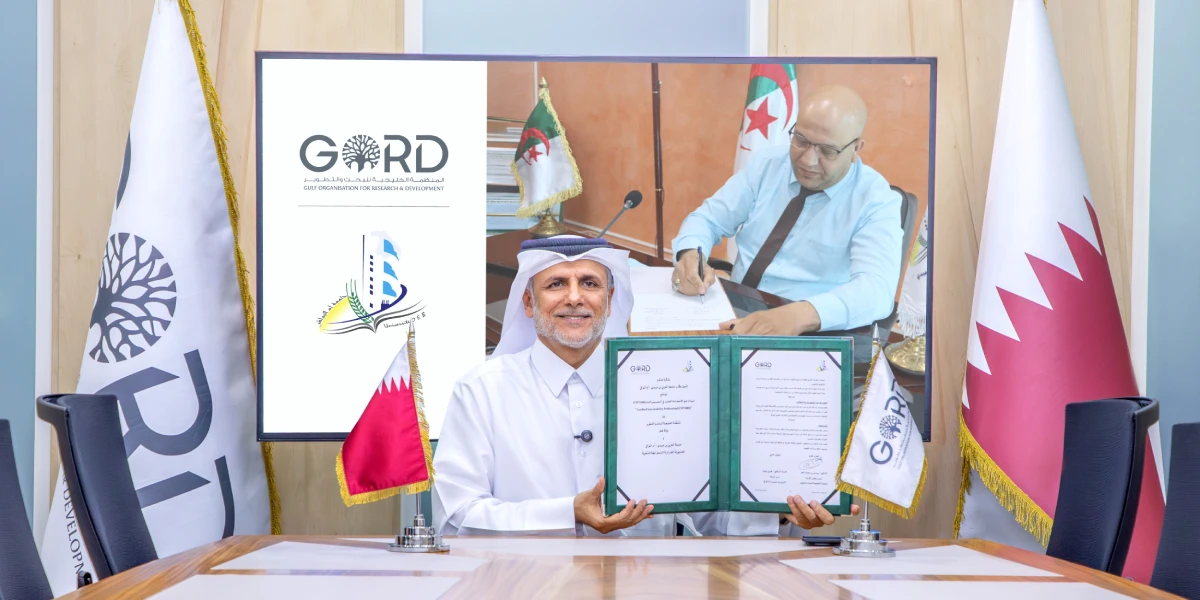
The Gulf Organisation for Research & Development (GORD) and the University of Oum El Bouaghi have officially entered into a strategic Memorandum of Understanding (MoU) aimed at strengthening sustainability education and advancing capacity building in green building practices across Algeria. The agreement was formalized during a high-level signing ceremony represented by Dr. Yousef Alhorr, GORD’s Founding Chairman, and Prof. Fawzi Choug, Rector of the University of Oum El Bouaghi.
The collaboration marks a significant milestone in the regional expansion of GORD’s flagship Global Sustainability Assessment System (GSAS), extending its institutional and academic presence beyond the Gulf Cooperation Council (GCC) region and into the wider Middle East and North Africa (MENA) region.
Speaking at the event, Dr. Yousef Alhorr, GORD’s Founding Chairman, said: “At GORD, our core mission is anchored in accelerating scalable climate action and driving systemic sustainability across the MENA region. Following the recent adoption of GSAS by the GCC Standardization Organization (GSO) as the unified regional green building standard (GSO 3000:2025), expanding its footprint into North Africa is a natural next step. By embedding this performance-based framework into the academic fabric of the University of Oum El Bouaghi, we are equipping Algeria's future architects and engineers with a globally proven, regionally tailored toolkit.”
Prof. Fawzi Choug, Rector of the University of Oum El Bouaghi, said: “As a recognized regional leader in environmental assessment and the developer of GSAS system, GORD provides a robust platform for integrating sustainability into higher education. Through this collaboration, we aim to strengthen academic programs, enhance faculty capacity, and ensure that sustainability principles are fully embedded in the training of future professionals who will shape Algeria’s built environment in alignment with national and global climate goals.”
The MoU directly underpins Algeria's Nationally Determined Contribution (NDC) under the Paris Agreement, which pledges an unconditional 7% reduction in greenhouse gas (GHG) emissions by 2030 utilizing domestic resources. Given that the construction, operations, and broader lifecycles of buildings and infrastructure constitute a significant share of global energy consumption and carbon output, the MoU between GORD and the University of Oum El Bouaghi serves as a strategic intervention to lower emissions from Algeria’s built environment.
Central to the bilateral agreement is the formal integration of GSAS into the university’s engineering and architectural curricula, establishing a sustainable foundation for capacity building and professional readiness among Algerian youth. Through direct interaction with the GSAS framework, students will acquire specialized knowledge in resource conservation, waste minimization, environmental pollution mitigation, and indoor occupant well-being. The partnership establishes a robust operational framework where GORD will extend access to specialized GSAS tools to the university for educational and instructional purposes, bridging the gap between theoretical academia and industry-standard technical applications.
To ensure long-term scalability, GORD plans to deliver advanced training and GSAS’ professional certification programs tailored for the university’s faculty members whose academic specializations intersect with sustainable engineering. This professional development pathway will enable university faculty to become licensed trainers equipped with the pedagogical expertise to instruct undergraduate and postgraduate students on the rigorous compliance metrics of the GSAS Design & Build (D&B) Certification.
With the latest MoU, the University of Oum El Bouaghi has joined an expanding pan-regional network of academic institutions – spanning Qatar, Kuwait, and Oman – that have incorporated GSAS knowledge and training into academic and professional development frameworks. As the first performance-based green building rating system native to the MENA region, GSAS has achieved unprecedented market penetration within the Gulf region, boasting more than 2,700 certified projects and retaining its status as the fastest-growing sustainability framework in the territory. This upcoming expansion into Algeria signifies a pivotal geopolitical shift, pushing GSAS knowledge dissemination across North Africa and unifying regional standards to address the specific climatic and ecological realities of the arid and semi-arid MENA zones.
جورد توسع حضور منظومة «جي ساس» في شمال إفريقيا عبر شراكة استراتيجية مع جامعة أم البواقي الجزائرية
وقّعت المنظمة الخليجية للبحث والتطوير (جورد) وجامعة أم البواقي الجزائرية، مذكرة تفاهم استراتيجية تهدف إلى تعزيز التعليم في مجال الاستدامة وتطوير القدرات في ممارسات المباني الخضراء بالجزائر. جرى توقيع الاتفاقية من قبل كل من الدكتور يوسف بن محمد الحر، مؤسس ورئيس مجلس إدارة المنظمة الخليجية للبحث والتطوير (جورد)، والبروفيسور فوزي شوق، مدير جامعة أم البواقي.
ويُعد هذا التعاون بين المنظمة والجامعة، محطة بارزة في الانتشار الإقليمي للمنظومة العالمية لتقييم الاستدامة (جي ساس) مما يوسع نطاق حضورها المؤسسي والأكاديمي خارج دول مجلس التعاون الخليجي إلى منطقة الشرق الأوسط وشمال إفريقيا (MENA).
وفي كلمة له بهذه المناسبة، قال الدكتور يوسف الحر: “ترتكز مهمتنا الأساسية في (جورد) على تسريع وتيرة العمل المناخي القابل للتوسع ودفع مسيرة الاستدامة المنهجية في منطقة الشرق الأوسط وشمال أفريقيا. ومن الطبيعي أن يكون توسيع نطاق حضور منظومة (جي ساس) في شمال إفريقيا خطوة طبيعية تالية، بعد اعتمادها مؤخرا من قبل هيئة التقييس لدول مجلس التعاون لدول الخليج العربية (GSO) كمعيار إقليمي موحد للمباني الخضراء (GSO 3000:2025)، فمن خلال دمج هذا الإطار القائم على الأداء الموضوعي في البنية الأكاديمية لجامعة أم البواقي، فإننا نزوّد المعماريين والمهندسين المستقبليين في الجزائر بأدوات أثبتت كفاءتها عالميًا وصُممت خصيصًا لتناسب طبيعة المنطقة".
من جانبه، قال البروفيسور فوزي شوق: “بوصفها جهة رائدة إقليميًا معترفًا بها في مجال التقييم البيئي ومطورة لمنظومة (جي ساس)، توفر (جورد) منصة قوية لدمج الاستدامة في التعليم العالي. ومن خلال هذا التعاون، نسعى إلى تعزيز البرامج الأكاديمية، ورفع كفاءة أعضاء هيئة التدريس، وضمان ترسيخ مبادئ الاستدامة بصورة كاملة في تدريب المهنيين المستقبليين الذين سيسهمون في تشكيل البيئة العمرانية في الجزائر بما يتماشى مع الأهداف المناخية الوطنية والعالمية".
وتدعم مذكرة التفاهم بشكل مباشر المساهمات المحددة وطنيًا (NDC) للجزائر بموجب اتفاق باريس للمناخ، والتي تتعهد بخفض غير مشروط لانبعاثات غازات الدفيئة (GHG) بنسبة 7% بحلول عام 2030 بالاعتماد على الموارد المحلية. ونظرًا لأن قطاعات البناء والتشغيل ودورات الحياة الأوسع للمباني والبنية التحتية تشكل حصة كبيرة من استهلاك الطاقة العالمي والانبعاثات الكربونية، فإن مذكرة التفاهم بين (جورد) وجامعة أم البواقي تعد خطوة استراتيجية لخفض الانبعاثات الصادرة عن البيئة العمرانية في الجزائر.
ويتمثل أحد المحاور الرئيسية في اتفاقية الطرفين حول الدمج الرسمي لمنظومة (جي ساس) في المناهج الهندسية والمعمارية للجامعة، مما يضع أساسًا مستدامًا لبناء القدرات والجاهزية المهنية لدى الشباب الجزائري. ومن خلال التفاعل المباشر مع إطار عمل (جي ساس)، سيكتسب الطلاب معرفة متخصصة في مجالات الحفاظ على الموارد، وتقليل النفايات، والحد من التلوث البيئي، وتعزيز صحة وسلامة شاغلي المباني في المساحات الداخلية.
كما تؤسس هذه الشراكة لإطار عمل تشغيلي متكامل تتيح بموجبه (جورد) للجامعة الوصول إلى أدوات (جي ساس) المتخصصة سواء للأغراض التعليمية أو التدريبية، مما يجسّر الفجوة بين التعليم الأكاديمي النظري والتطبيقات التقنية المعتمدة في قطاع الصناعة.
ولضمان الاستدامة والتوسع على المدى الطويل، تعتزم (جورد) تقديم برامج تدريب متقدمة وشهادات اعتماد مهنية خاصة بمنظومة (جي ساس)، مصممة لأعضاء هيئة التدريس في جامعة أم البواقي ممن تتقاطع تخصصاتهم الأكاديمية مع الهندسة المستدامة. وسيتيح مسار التطوير المهني هذا لأعضاء هيئة التدريس بالجامعة أن يصبحوا مدربين معتمدين يمتلكون الخبرة التعليمية اللازمة لتدريس طلبة البكالوريوس والدراسات العليا متطلبات الامتثال الدقيقة الخاصة بشهادة (جي ساس) للتصميم والبناء (D&B).
يشار إلى أن توقيع هذه المذكرة، يتيح لجامعة أم البواقي الانضمام إلى شبكة إقليمية متنامية من المؤسسات الأكاديمية في قطر والكويت وعُمان، دمجت معارف وتدريبات (جي ساس) في أطرها للتطوير الأكاديمي والمهني. وباعتبارها أول نظام لتقييم المباني الخضراء قائم على الأداء بمنطقة الشرق الأوسط وشمال إفريقيا، حققت منظومة (جي ساس) انتشارًا غير مسبوق في السوق الخليجية، حيث تضم اليوم أكثر من 2,700 مشروع معتمد، محتفظة بمكانتها كأسرع إطار استدامة نمواً في المنطقة. ويمثل التوسع المرتقب في الجزائر تحولا جيوسياسيا محوريا، يدفع بنشر معارف (جي ساس) عبر شمال إفريقيا ويوحد المعايير الإقليمية لمعالجة الواقع المناخي والبيئي الخاص بالمناطق الجافة وشبه الجافة في منطقة الشرق الأوسط وشمال إفريقيا.